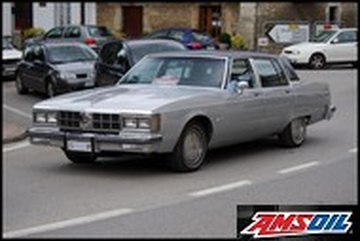
Lubrication Maintenance for the 1981 Oldsmobile 98 4.1L
Maintaining a vehicle of this era requires a proactive approach to fluid management and mechanical inspection. For the 1981 Oldsmobile 98 equipped with the 4.1L engine, consistent attention to lubrication systems is a fundamental aspect of long-term ownership. Because older engines rely on precise tolerances and specific lubricant properties to operate efficiently, understanding how to monitor and maintain these systems is essential for any owner.
Monitoring Fluid Integrity and Consumption
One of the most effective ways to gauge the health of an engine is through regular observation of its operating fluids. For a vehicle from 1981, monitoring the level and condition of the engine oil can provide significant insight into how the internal components are performing. It is helpful to check the oil level periodically using the dipstick to ensure that consumption levels remain within a normal range.
When inspecting the oil, look for changes in its physical appearance. While some darkening is expected as the lubricant undergoes thermal stress and collects microscopic debris, extremely rapid discoloration or a gritty texture can warrant further investigation. Additionally, if you notice any unusual odors or significant changes in how the engine sounds during operation, these symptoms should be investigated. It is important to remember that various factors—ranging from operating temperature to environmental conditions—can influence these observations, so any sudden or drastic change is more noteworthy than gradual shifts.
Systematic Inspection of Seals and Connections
As vehicles age, the materials used in gaskets and seals may undergo changes in flexibility. For the 1981 Oldsmobile 98, a routine part of engine bay maintenance involves looking for evidence of fluid seepage. This does not necessarily mean a component has failed, but rather that it is worth monitoring for any signs of age-related weeping.
When performing a visual inspection, focus on the areas where different engine components meet. Look for dampness or residue around sealing surfaces. If you find evidence of seepage, it is wise to clean the area and monitor it closely to see if the condition progresses. Furthermore, inspecting the condition of various hoses and electrical connections can be beneficial. While these are not directly part of the lubrication system, their integrity ensures that the engine environment remains stable. For example, ensuring that cooling-system hoses are secure and free of significant deterioration helps prevent overheating, which in turn protects the oil from extreme thermal breakdown.
Managing Maintenance Records for Long-Term Care
For owners of a classic 1981 Oldsmobile 98, establishing a clear history of service is one of the most valuable steps in preserving the vehicle. If you have recently acquired this vehicle and the previous service history is unknown, your first priority should be to establish a maintenance baseline. This involves performing a thorough inspection of all fluids and filters and documenting their condition.
Keeping a detailed log of when oil was changed, which products were used, and any observed mechanical behaviors allows you to identify patterns over time. For instance, if you notice that the engine requires more frequent top-offs than it did six months ago, having those records helps you determine if this is a new development or a long-standing characteristic. A well-documented history also assists in distinguishing between routine preventive maintenance and necessary repairs, ensuring that you are addressing actual needs rather than making assumptions based solely on the age of the vehicle.
Observing Potential Warning Signs
While many maintenance tasks are preventative, being able to recognize when a situation requires immediate attention is critical. In an older 4.1L engine, certain indicators should never be ignored. If you observe any visible fluid leaks forming on the ground beneath the vehicle or pooling within the engine bay, this warrants a closer inspection of the relevant gaskets and seals.
Changes in how the engine responds to different driving conditions can also serve as indicators. For example, if the engine seems to struggle during cold starts or exhibits unusual mechanical noises that were not previously present, these should be investigated promptly. It is vital to approach these symptoms with a diagnostic mindset; a single symptom like an odor or a noise can be associated with multiple different causes. Rather than attempting to pinpoint a specific failed part immediately, use these signs as prompts to perform a more comprehensive check of the engine's lubrication and cooling systems.
Prioritizing Service Based on Current Condition
Effective maintenance for an older vehicle is most successful when it is based on the actual condition of the machine rather than just the calendar. While following general service intervals is helpful, a more nuanced approach involves prioritizing tasks that address active concerns. If you identify an active leak or notice a change in fluid quality, these should be addressed before moving on to purely cosmetic or secondary maintenance items.
This condition-based approach helps prevent minor issues from escalating into more complex mechanical problems. For example, addressing a small amount of seepage early can be much simpler than managing a significant leak later. By focusing on the most pressing needs—such as verifying fluid levels, checking for leaks, and ensuring that all belts (if equipped) are in good condition—you can maintain a high standard of care that respects the specific needs of your 1981 Oldsmobile 98.
Practical Advice for Buying Engine Oil for the 1981 Oldsmobile 98 4.1L
When it is time to replenish or change the lubricant in your engine, the most important step is to ensure that the product you select matches the specific requirements of your application. Because different engines have unique needs regarding chemical composition and viscosity, you should always refer to the vehicle-specific oil viscosity and application information already displayed on this webpage.
Before making a purchase, carefully check the product labeling to confirm it meets the necessary standards for your engine. You may encounter various options, including conventional oils, synthetic blends, or full synthetic formulations. Some high-mileage oil formulations also contain additives intended for use in aging engines, such as seal-conditioning agents. However, rather than choosing a type based on general assumptions about vehicle age, always prioritize the specific guidance provided in your application information. By matching the lubricant to the exact specifications listed here, you ensure that the engine receives the appropriate level of protection and performance.